

BlogNEWS AND DENTAL EDUCATION
We share informative articles and news.


Wishing — Merdeka! Merdeka! Merdeka! to all Malaysian friends. We close on 31 August 2013. We will resume business as usual on 2 September (Mon).
Wishing — Selamat Hari Raya to all our Muslim friends and Happy Holiday to all Malaysians. We close during this festival season which will be from 7 Aug (Wed) to 11 Aug (Sun). We will resume business as usual on 12 Aug (Mon).

…


Topics
- 10 Reasons to Have a Dental Cleaning
- How Dental Cleaning is done?
- 1. Ultrasonic Scaler
- 2. Hand Scalers
- 3. Polishing Tool
- 4. Fluoride
- Is it going to be painful?


Periodontium is the tissue that immediately surrounds and supports the teeth. It consists of alveolar bone, periosteum, periodontal ligament, gingival sulcus, and gingiva; each of these components contributes to stabilizing the tooth within the jaws.

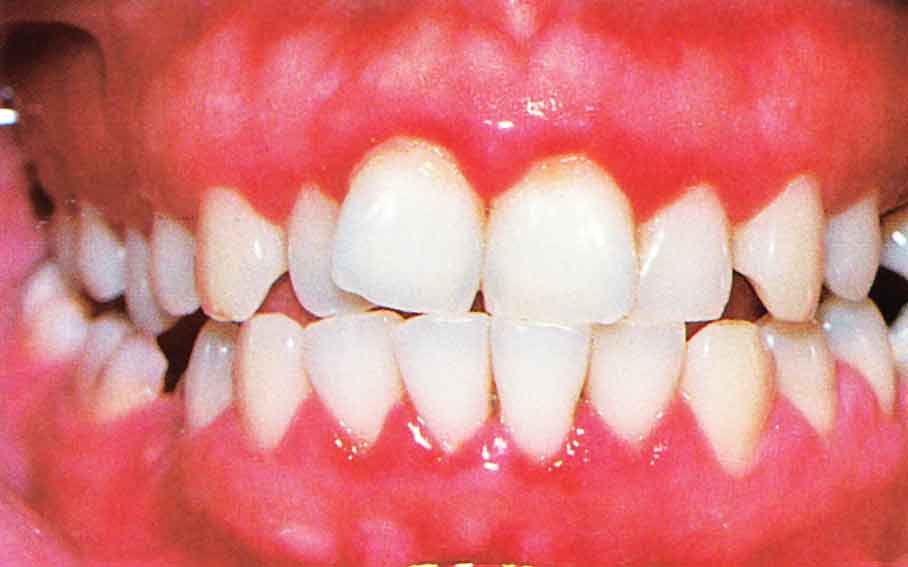
Gingivitis is the inflammation of the gingiva due to bacterial infection that can occur at any age but most frequently arises during adolescence. It is a disease that requires the presence and maturation of bacterial plaque Gingivitis is diagnosed by bleeding and by changes in the colour, contour and consistency of the gingiva. Features include red swollen marginal gingiva; loss of stippling; red-purple, bulbous interdental papillae; and the increased fluid flow from the gingival crevice. Gingival bleeding and pain are induced by tooth-brushing and slight probing. Treatment of gingivitis consists of frequent and regular removal of plaque through dental scaling and root planing. If gingivitis is left untreated for a long period of time, it will lead periodontitis which will result in loosing teeth.
After the age of 35, gum disease or periodontitis is the major cause of tooth loss in adults, far more so than tooth decay. In fact, about 80% of tooth loss can be ascribed to periodontal disease in this age group. A lot of time and money could be saved by early detection and treatment of the disease and many more people would keep their teeth if they were aware of this fact.
Periodontal disease affects the support structures of the teeth: the bone, gums and ligament (Click here for Dental Anatomy). It is long-term and slow-moving disease: painless in its initial stages, but later presenting as a chronic inflammation that damages both the gums and bone holding the teeth in place. Bacterial plaque is the main culprit here, and only fastidious daily brushing and flossing can effectively remove it.
The most common form of periodontitis is adult periodontitis. It can be localized or generalized and appears to progress episodically. During periods of exacerbationthere is advancing loss of epithelial attachment, increase periodontal pocket depth, increased gingival crevicular fluid, loss of alveolar bone and connective tissue attachment and gingival bleeding.
The predominant species associated with adult periodontitis ace Actinobaccillus actinomycetemcomitans (25-30%), Actinomyces naeslundii, Bacteriods forsythus, Campylobacter rectus, Eikenella corrodens, Eubacterium species, Fusobacterium nucleatum, Peptostreptococcus micros, Prevotella intermedia, Prophyromonas gingivalis, Selenomonas sputigena, Streptococcus intermedius and Treponema species
Types of periodontitis
Adult periodontitis can be devided into 3 types base on severity:
i) Mild (Early) Adult Periodontitis

Clinical features:
- 3mm epithelial attachment loss or less (gum recession)
- periodontal pocket depths of 3-5mm (determine by using a periodontal probe)
- class I furcation involvement
- alveolar bone loss of 2mm or less (Alveolar bone loss is determined by vertical periapical bitewing radiograph)
ii) Moderate Adult Periodontitis
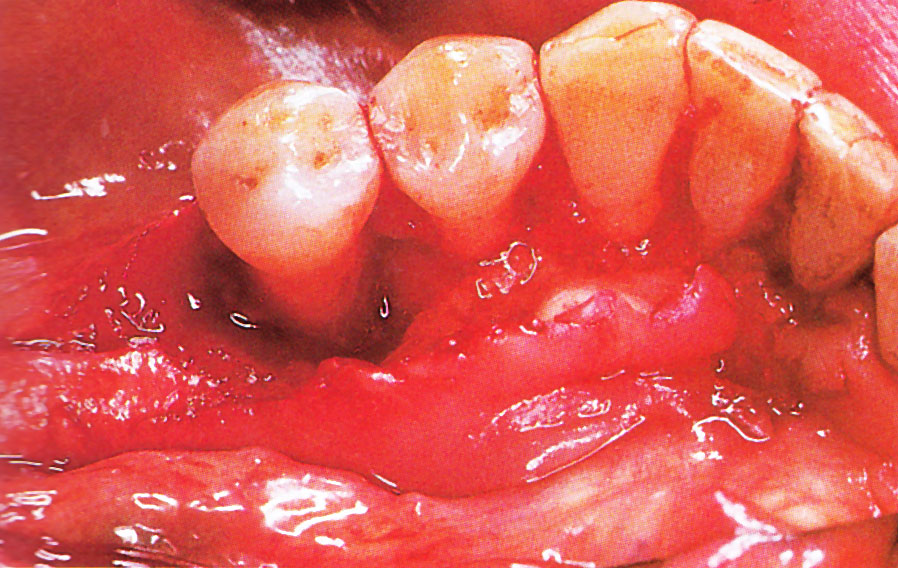
Clinical features:
- 4-5mm epithelial attachment loss
- periodontal pocket depths of 4-6mm
- alveolar l bone loss of 3-5mm
- gingival exudate and bleeding
- horizontal, vertical bone loss and osseous defects
- mobile teeth and class II furcation involvement
iii) Advanced Adult Periodontitis

Clinical features:
- At least 6mm epithelial attachment loss
- periodontal pocket depths exceed 6mm
- alveolar crestal bone loss is more than 5mm
- gingival recession
- significant tooth mobility and class III furcation involvement (A through-and-through bony defect)
Other types of periodontitis
- Early-onset periodontitis which can be prepubertal periodontitis and juvenile periodontitis
- Rapidly progressing periodontitis
- Necrotizing ulcerative periodontitis (HIV periodontitis)
- Responsiveness to therapy (refactory periodontitis)
Treatment
Treatment depends on the causal factors but generally involves:

- the removal of plaque, calculus and diseased cementum by scaling, curettage and root planing
- Topical antibiotics, short-course therapy with systemic antibiotics (tetracycline and metronidazole)
- periodontal surgery
More info
- Oral Health Matters
- Gum Anatomy
- Gum Disease: Gingivitis
- Gum Disease: Periodontitis
- Gum Disease: Gum bleeding pregnancy
- Gum disease and diabetic
- Gum disease and heart disease
Treatments of gum disease:
- Scaling and polishing
- Air Polishing – A way to eliminate staining due to smoking, coffee or tea
- Root Planning
- Gum Surgery
- Fear of Dental Treatment? How to overcome it..?

A young lady came to our clinic complaint that she was not happy about her face because of her lower jaw was too long. On top of that, her teeth weren’t aligned well. After examination and a few x-ray, we found that she had a few problems:
- Her lower jaw was long as compared to her cranial base
- Her upper jaw was shorter in relation to her cranial base
- Her cheek looked more flatten
- She can’t close her lips as her lower jaw as too forward
- Her lower teeth were very far forward as compared to her upper teeth
- Her dental mid-line was not coincide with her face mid-line
- She was biting only on a few teeth when chewing
Facial view
![Pre-op01 [1600x1200]](https://prestige-dental-care.com.my/wp-content/uploads/2013/04/Pre-op01-1600x1200.jpg)
Front |
![Pre-op03 [1600x1200]](https://prestige-dental-care.com.my/wp-content/uploads/2013/04/Pre-op03-1600x1200.jpg)
Oblique |
![Pre-op02 [1600x1200]](https://prestige-dental-care.com.my/wp-content/uploads/2013/04/Pre-op02-1600x1200.jpg)
Side |
Radiography view
![OPG-Pre-ortho [1600x1200]](https://prestige-dental-care.com.my/wp-content/uploads/2013/04/OPG-Pre-ortho-1600x1200.jpg)
OPG |
![Lat-Pre-ortho [1600x1200]](https://prestige-dental-care.com.my/wp-content/uploads/2013/04/Lat-Pre-ortho-1600x1200.jpg)
LatCeph |
…
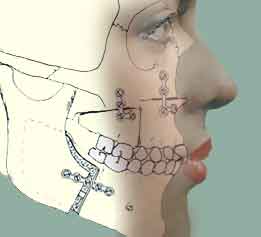
Corrective jaw, or orthognathic, is a surgery performed by the Oral and Maxillofacial Surgeons aimed to correct wide range of skeletal irregularities that cause disharmony in teeth and facial facial appearance; as well as interfering speaking and reduce chewing efficiency, and worst of all, obstruct breathing. Beside enhancing patient’s appearance dramatically, orthognathic surgery is also performed to correct functional problems.
 We are the Laser Safety Officer qualified to handle the dental laser properly and safely as we have attended the training seminar accredited by the University of Bonn in Germany (A requirement as professional competence according to the European Standard).




Read More…
…Book an appointment with our doctors now!! Click here
We accept Cash, Credit Card, Grabpay, Alipay, Touch n Go, MayBank QRPAY and Boost
Copyright 2026. All rights reserved.
Get in touchContact us now
If you have any question, don’t hesitate to contact us, we are more than glad to provide you with the information you need!
 :
:  :
: 